
In today’s digital age, independent music promotion is both exciting and challenging, and knowing how to promote and build a fanbase effectively is crucial. With the right tools and strategies, however, these music marketing tips will show off DIY music promotion strategies as well as the best platforms for indie artists to use to attract the most listeners. Here are the top 10 tools you need as an indie artist to get noticed:
1. Social Media Platforms
Social media strategies for musicians is crucial if you want to connect with fans and promote your independent music. Platforms like Instagram, Facebook, Twitter, and TikTok allow you to share updates, engage with followers, and even go viral with the right content. But it’s more important to go to sites that focus on the music, such as SoundCloud and Audiomack, which all have ways for creators to interact with their fans. Once there, the best hashtags to use would be #new, #popular, #trending, followed by the top three genres of music yours will fall into. This is where most eyes and ears will be.
As you respond to comments and messages, a sense of community builds around the music. You can then share various types of content, such as behind-the-scenes videos, live performances, studio sessions, and personal stories. Most social media platforms also offer analytics tools that provide insights into audience engagement and content performance, helping you understand your fan base better so you can stick with the right type of content that resonates best.
2. Music Streaming Services
Platforms such as Spotify, Apple Music, and YouTube Music are essential for distributing your music to a global audience without the need for physical distribution channels. Unlike traditional music distribution models where major labels often dominate shelf space and radio airplay, streaming services offer you an equal opportunity for exposure.
For indie artists specifically, sites such as Tunecore, Ditto Music and AWAL are alternatives that will allow new audiences to find your music. The best one will be based on your genre and budget, but whichever you choose, utilizing these services will allow you to upload your tracks, create playlists, and gain exposure through curated playlists and algorithmic recommendations. These services also give you analytics tools providing valuable insights into listener demographics, geographic locations, popular tracks, and engagement metrics, which will help you understand your audience better to make informed decisions about marketing and promotional strategies, such as playlist placements, artist features, and sponsored content.
3. Website and Blog

A professional website serves as your online hub where fans can find your bio, discography, tour dates, and merchandise. There are several good blog hosting websites that indie musicians can consider to showcase their music and connect with fans, the most common ones are WordPress, Blogger, Wix, and Squarespace. Many of these are versatile and widely used, making them a great choice for indie musicians who want to manage their content easily.
The best for music-related content would be Bandzoogle, as it’s a platform that is specifically dedicated to the “needs of musicians and music professionals.” You can host your song downloads, lyric videos, tour announcements and much more. The possibilities are endless, just make sure your site expresses your true personality.
4. E-mail Marketing Tools

Building a mailing list allows you to directly communicate with your fans. Use tools like Mailchimp or ConvertKit to collect email addresses, send newsletters, announce new releases, including singles, albums, music videos, and collaborations. This targeted communication helps generate excitement and encourages fans to listen and share the music. These sites are easy to use with drag-and-drop editors, integration with stores, and best of all for indie artists, options for monetization and free tiers so you can start small and scale up big as you grow.
E-mail marketing allows artists to promote merchandise such as T-shirts, posters, vinyl records, and other exclusive items directly to their fanbase with special discounts or limited-time offers, so it’s time to build those creative merch ideas to connect with fans. E-mail is also an effective channel for announcing tour dates, live performances, and ticket sales, as e-mail lists can be based on location to fans in specific cities or regions.
5. Digital Distribution Platforms

Services like DistroKid, or CD Baby can help you distribute your music to online stores and streaming platforms worldwide. They handle all the licensing, royalties, and distribution logistics, allowing you to focus on creating music and breaking out of your local music scene and into the world.
Digital distribution platforms often allow opportunities for sync licensing, where artists’ music can be licensed for use in films, TV shows, commercials, video games, and other media. This can be a significant revenue stream. Once music is distributed digitally, it remains available for listeners to discover and enjoy indefinitely. This long-term availability means that you’ll continue to earn royalties and attract new fans over time, even as you release new music.
6. Music Production Software
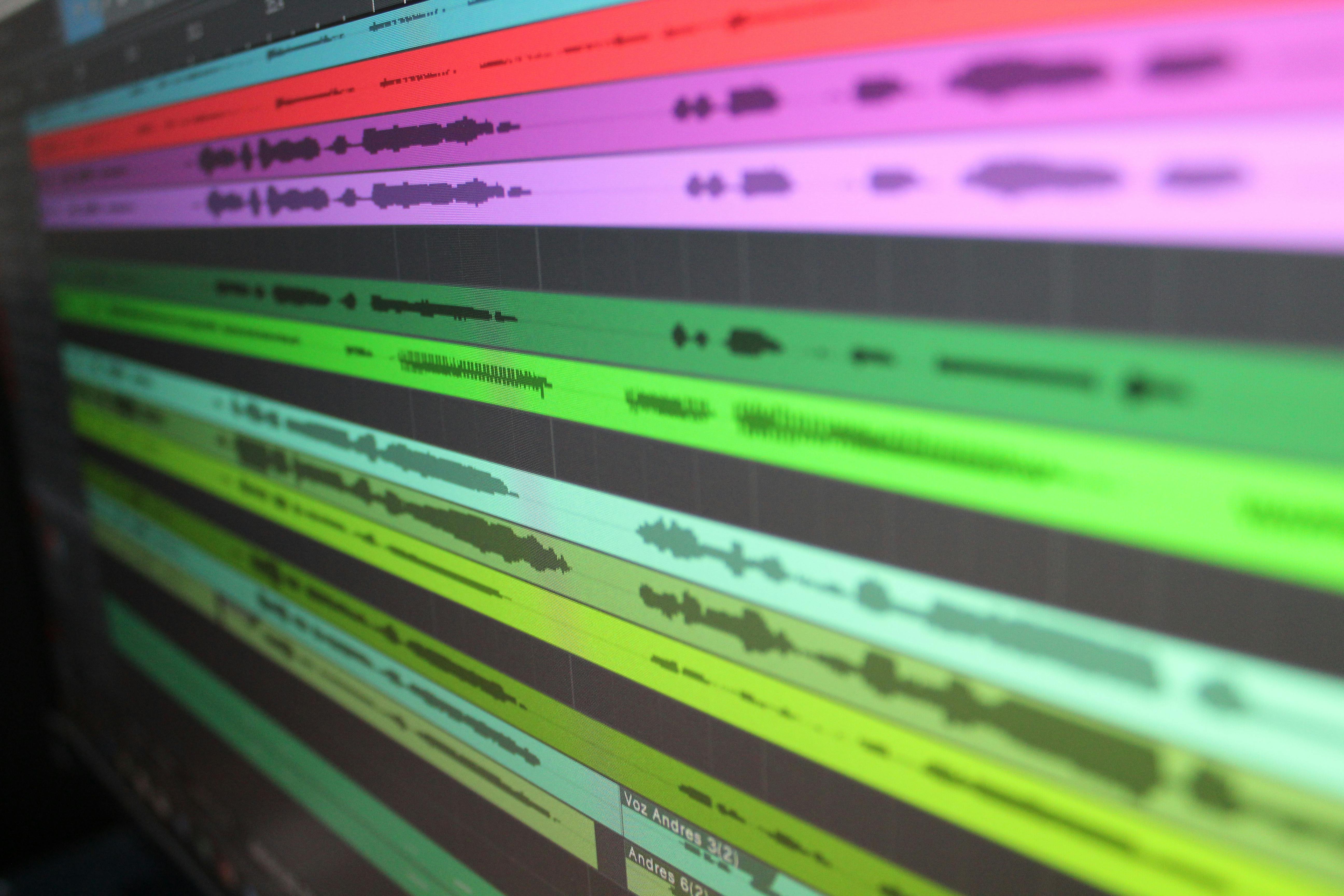
As an indie artist, you’ll most likely have started off with more affordable digital audio workstation such as FL Studio, GarageBand, Sony Acid or Reaper. Though these options will work just fine, investing in professional-grade software like Ableton Live, Logic Pro, or Pro Tools for recording, editing, and producing high-quality music will create for polished tracks that stand out.
Music production software empowers indie musicians to have complete creative control over their music. From composing melodies to arranging tracks and mixing/mastering the final recordings, artists can shape their sound exactly as they envision it. Features such as MIDI sequencing, audio recording/editing, automation, and plugin support help artists work more efficiently and focus on creativity rather than technical limitations. It doesn’t matter if you’re making indie folk, rock, electronic or Hip-Hop, you will need to use a DAW at some point, so try different ones out so see which is the best for you.
7. Graphic Design Tools
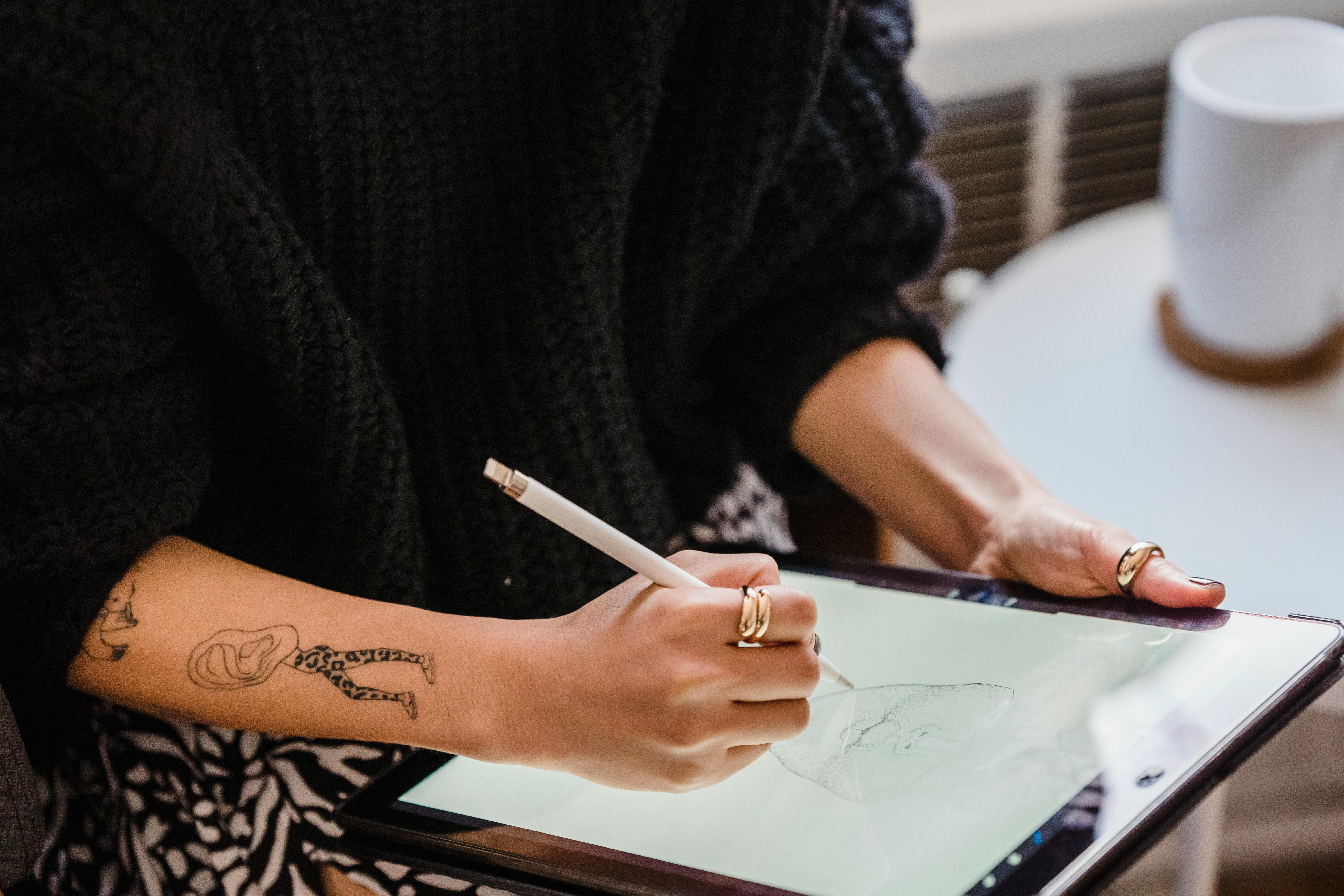
Visual branding is crucial for establishing a memorable identity as an artist. You can use tools like Canva or Adobe Creative Suite to design album covers, social media graphics, posters, and merchandise. The more unique and innovative graphic designs you have, the more you can differentiate from your peers and competitors. You have the freedom to experiment with colors, typography, imagery, and visual effects to create your own representation of your music and personality.
In the digital age, first impressions are often visual, so the more eye-catching graphics and artwork you have, the better. Your artwork will show potential fans browsing through music streaming platforms your professionalism and attention to detail, which can enhance your credibility and perception among fans, industry professionals, and media outlets. Well-designed promotional materials suggest that the artist is serious about their craft and committed to delivering a polished experience to their audience.
8. Video Editing Software
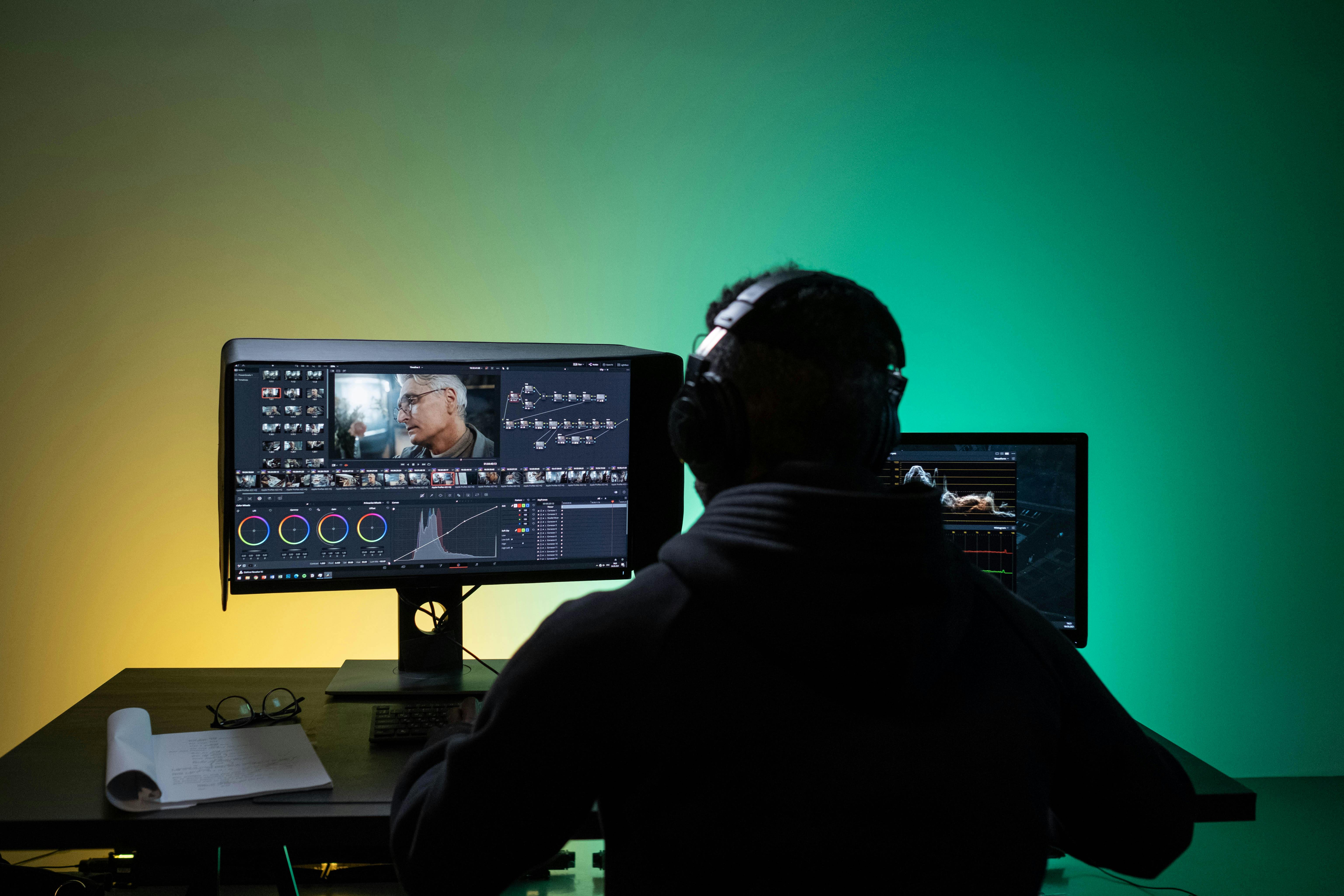
Visuals can significantly enhance your online presence and is crucial to getting potential listeners engaged, from high quality music videos to lyric videos using software like Adobe Premiere Pro or Final Cut Pro, which have become quite popular on YouTube. Video editing allows artists to tell a story that complements their music, adding depth and meaning to their songs.
Video content tends to perform better in search engine results and social media algorithms, increasing your music’s visibility. Monetized platforms often prioritize high-quality videos, providing a revenue stream for indie artists through crowdfunding campaigns such as Patreon, or other support platforms, convincing potential backers of the artist’s seriousness and talent.
9. Analytics and Insights

Platforms like Google Analytics, Spotify for Artists, and social media insights provide valuable data on your audience demographics, streaming trends, and engagement metrics. You’ll be able to see behavior patterns, such as how fans engage with content (e.g., time of day, type of content) that will allow you to optimize your posting schedules and formats for maximum impact. Knowing retention rates will let you see how long viewers watch videos or listen to tracks so you can refine your content to keep the audience engaged longer.
Other useful gains from insights include monitoring growth stats (gained followers, website traffic, streaming stats), measuring campaign effectiveness and ad performance. Use this information to refine your marketing strategies to reach new audiences.
10. Collaboration and Networking Tools

How to collaborate with other musicians is a key tactic you will need to rely on. Connecting with other musicians, producers, and industry professionals through platforms like SoundBetter or LinkedIn can open doors to new opportunities, collaborations, and exposure. Connecting with others will allow you to learn more about music networking events and music blogs related to your genre and geographic location. So start building that indie music press kit, as you will need to share it the more you reach out to new people.
On the music production side of things, there is also room for collaboration. For example, Splice, Vampr, Mix, Indaba Music and Soundtrap are all platforms that offers a library of sounds, samples, and plugins where artists can collaborate on projects in real-time by sharing mixes and networking on tracks. Other platforms, such as Kompoz, allow for collaboration on songwriting and music production. These collaboration tools can be used in any stage of the music production process. Of course, it’s important to not forget the common community based sites such as as Reverbnation, Discord, and Reddit, to also find others to collaborate with.
By leveraging these 10 tools, indie music artists can broaden their reach, find new opportunities, and build valuable connections within the music industry. To find your next musical addiction, check out other pages here at Enter the Venture, where we focus on emerging musical talent from around the world.
 Enter The Venture